


Property Insurance Inspection and Risk Assessment in Victorville, California
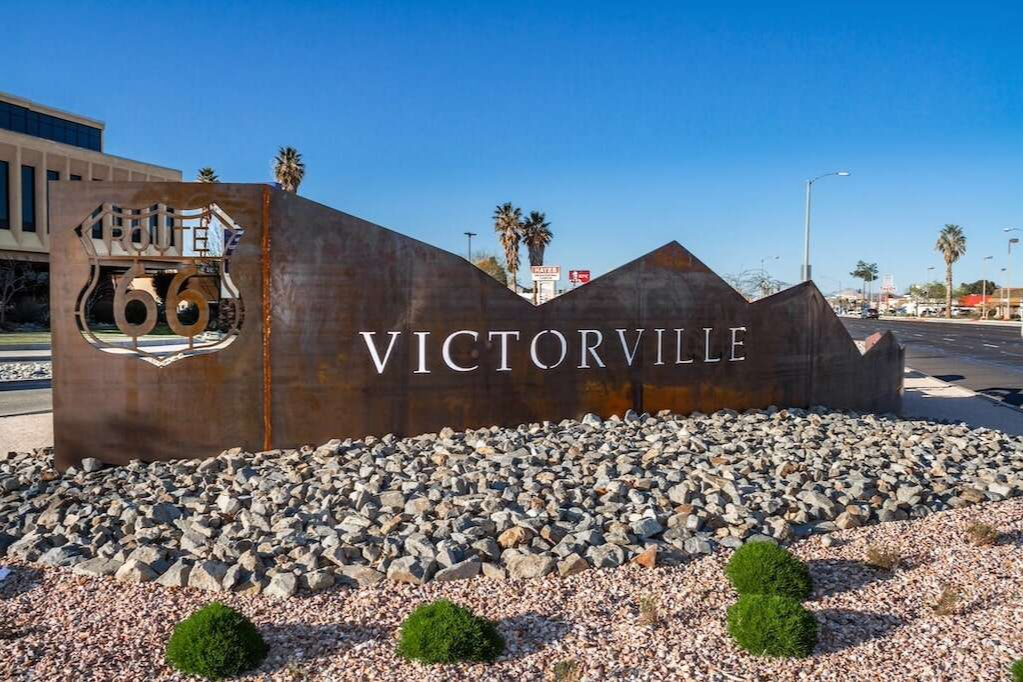
Victorville is a high-desert city of ranch homes and extensive newer tract. For insurance purposes, extreme heat, wind exposure, and shifting desert soils shape how carriers view Victorville properties — and a scored, contractor-level risk assessment documents exactly where a property stands.
Underwriting-Ready Property Risk Reports for Victorville Homes and Buildings
Victorville Area Risk Profile: Wildfire, Seismic, Flood, Wind and Crime Exposure
ZIP-level risk data for 92392 (Victorville, San Bernardino County):
Fire Protection
• Low: The area is located in a Local Responsibility Area with a low fire hazard rating. Serviced by the Victorville Fire Department.
Wind and Hail
• Moderate Wind Risk; Low Hail Risk
Earthquake Risk
• High risk. The area is located near the San Andreas Fault and is at high risk for a major earthquake.
Crime Risk
• Moderate: The crime rate is in line with or slightly above the national average.
Live Parcel Verification
• Every report additionally verifies the specific parcel against four live California government data layers: CAL FIRE Fire Hazard Severity Zones, CGS liquefaction zoning, FEMA flood zone determination, and CGS tsunami inundation mapping where applicable.
Underwriting a property in Victorville means reading both the structure and the setting. The construction patterns here exist for a reason — and that reason is exactly what a risk assessment has to document.
Victorville is a high-desert city of ranch homes and extensive newer tract, where heat and shifting soils dominate the risk assessment. In Victorville, soils engineers note sandy and expansive soils, and builders use slab and post-tension foundations to suit them, while general contractors and risk assessors weigh how desert sun has aged the roofs, finishes, and systems.
During risk evaluations in Victorville we evaluate for differential settlement that sandy and expansive soils can produce, checking for cracking in slabs, stucco, and flatwork. Grading and drainage are reviewed on the flat lots, where rare but heavy storms can pond water against foundations. Heat is the defining stressor, so roofs and HVAC systems get a hard look — composition and tile roofs for UV degradation, flashing, and underlayment, and air conditioning equipment for age, capacity, and condition under heavy load. Attic ventilation and insulation are evaluated for their effect on how well a Victorville home holds up.
Plumbing and electrical in older Victorville homes often include dated supply lines, clay sewer laterals, and panels near end of life, while newer tract homes carry more modern systems we still verify. Roof coverings show the effects of desert sun quickly, so we look for cracking, granule loss, and failed sealants that lead to leaks. Overall, the combination of sandy and expansive soils, heat, and aging systems means a contractor-led risk evaluation in Victorville ties together foundation behavior, drainage, and the condition of heat-stressed roofs and mechanical systems. This straightforward, contractor-level evaluation in Victorville helps buyers and sellers understand the home's real condition given the high-desert climate.
That construction picture sits on top of measurable exposure. In ZIP 92392, fire protection is rated as follows: Low: The area is located in a Local Responsibility Area with a low fire hazard rating. Serviced by the Victorville Fire Department. Seismic exposure: High risk. The area is located near the San Andreas Fault and is at high risk for a major earthquake. Wind and hail: Moderate Wind Risk; Low Hail Risk Crime: Moderate: The crime rate is in line with or slightly above the national average. These are the same ZIP-level factors carriers weigh when they price or decline a policy — and they are documented in the Area Risk Profile of every report, alongside live parcel-level checks against CAL FIRE Fire Hazard Severity Zones, CGS liquefaction and tsunami zoning, and FEMA flood determination.
Every Victorville risk assessment scores the roof, electrical, plumbing, HVAC, and dwelling on a 0-to-65+ scale — Not a Risk, Moderate, Significant, Catastrophic — and pairs those system scores with this geographic exposure data. For San Bernardino County underwriting, that is the difference between a guess and a defensible number, delivered by a CSLB Licensed General Contractor contracting since 1989.